
4 Best Headphones for Sim Racing for Clear Race Audio
Racing Electronics RE-58 Headphones are the top pick for most buyers seeking the best headphones for sim racing, mainly because their racing-focused design puts clear communication first. They make the most sense for drivers who want a purpose-built headset for race radio, engine sound, and focused sessions, rather than a general music pair. That focused design gives this model a strong place at the top of the list.
This guide is for sim racers choosing gear for a cockpit, desk, or console setup. The key details are ear-cup fit, noise isolation, microphone clarity, connection type, and long-session comfort. Check your wheel, PC, or console before buying, since compatibility can depend on the available audio jack or adapter. The four picks below are ranked in order, with clear reasons for each choice and honest drawbacks that may affect your decision. You will find options for focused solo driving, online leagues, and casual racing.
Quick Comparison
| # | Product | Best For | Price | |
|---|---|---|---|---|
| 1 | Racing Electronics RE-58 Headphones | Drivers Wanting Lightweight Race Audio | $129.89 | View → |
| 2 | Race Day Electronics RDE-990 Earmuff Headphones | Pit Crews Needing Full Ear Protection | $39.99 | View → |
| 3 | Rugged Radios H20 Racing Scanner Headset | Wet-Weather Racing Communication | $75.00 | View → |
| 4 | Rugged Radios H80 Behind-the-Head Track Talk Headset | Behind-Head Fit for Track Use | $152.15 | View → |
4 Top Headsets for Sim Racing
This ranked list counts down from fourth place to the top pick, with each headset judged for racing-focused comfort, sound, and features.
4. Rugged Radios H80 Behind-the-Head Track Talk Headset
Best for: Small racing groups
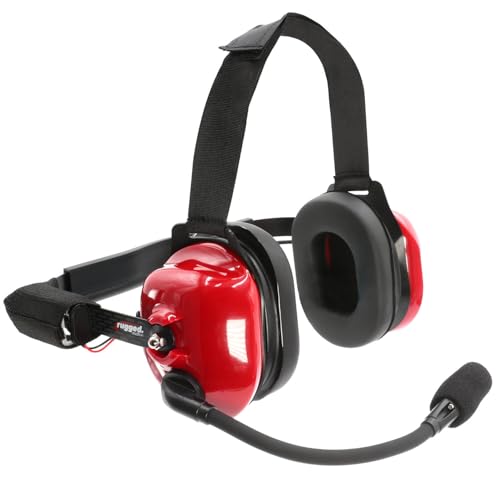
The Rugged Radios H80 is a behind-the-head wired headset for race crews and spotters. It uses a 24 dB Noise Reduction Rating to reduce track noise while keeping group conversations and scanner audio audible. A push-to-talk button sits on the right ear cup, so you can speak without reaching for a separate control. The isolate switch cuts incoming 3.5 mm audio while leaving headset conversation active.
The H80 connects to other H80 units or Racing Electronics linkable headsets through a 3-pin cable. That setup supports shared group communication, while a scanner or race receiver can feed driver audio through the 3.5 mm connection. Pre-installed gel ear seals and soft ear covers support longer wear, and the stainless steel headband keeps the design light. At $152.15, its strongest appeal is the built-in controls and compatibility with an expanding wired headset group.
Pros
- 24 dB noise reduction helps limit loud track sound.
- Right-ear push-to-talk control keeps group conversations simple.
- Gel seals, soft covers, and a stainless steel band support extended wear.
Cons
- It requires a wired 3-pin connection for linked headsets.
- A separate scanner or race receiver is needed for scanner audio.
3. Rugged Radios H20 Racing Scanner Headset

Best for: NASCAR fans using race scanners
The Rugged Radios H20 is an over-the-head headset for listening to race communications through a scanner or radio. It can bring driver, team, emergency service, and race-official audio into one earpiece setup. The included 3.5mm mono coil cord connects to compatible equipment, while the ear-dome volume knob lets you adjust sound without reaching for the scanner.
A separate 3.5mm music input jack adds another listening option between race updates. At $75, this headset focuses on practical race-day use rather than extra features. The design is straightforward, with no stated wireless connection, microphone, or active noise cancellation. Buyers should also confirm that their scanner or radio accepts a 3.5mm mono connection before ordering. Its over-the-head format may work well for trackside listening, but fit and comfort will depend on the user and the length of the event.
Pros
- The included 3.5mm mono coil cord connects directly to many compatible scanners and radios.
- A volume knob on the ear dome allows quick sound adjustments.
- The additional 3.5mm music jack supports music playback when race communications are not needed.
Cons
- The headset uses a wired connection, so the coil cord can restrict movement around a race venue.
- It has one listed ear-dome speaker, which may not suit buyers seeking stereo music or full two-ear coverage.
2. Race Day Electronics RDE-990 Earmuff Headphones
Best for: Range users needing phone audio
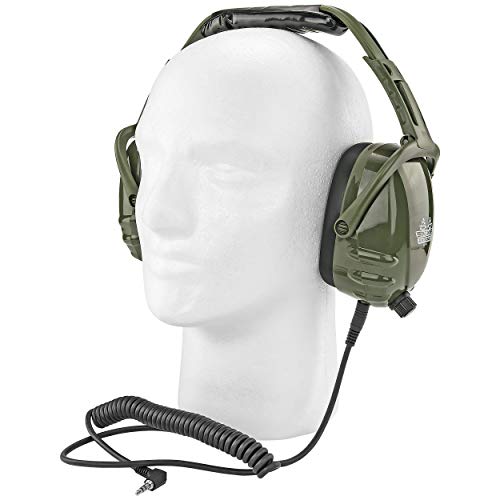
Race Day Electronics’ RDE-990 is a wired earmuff headphone for loud settings such as gun ranges, hunting areas, NASCAR events, and construction sites. It works with iPhones and scanners through the included 3.5mm angled plug. At $39.99, it offers a simple way to add audio without buying separate headphones and ear protection.
The padded earcups sit inside a hard outer shell, which helps block surrounding sound while protecting the headphone assembly. A volume control is built into the design, so users can adjust audio without reaching for their phone or scanner. The headband adjusts for different users, and its low-profile shape folds for storage in a range bag, toolbox, or drawer. The product description does not provide a noise-reduction rating, so buyers should not assume it replaces certified hearing protection. Its wired setup also limits movement compared with Bluetooth models.
Pros
- The padded earmuff design and exterior shell create a physical barrier against surrounding noise.
- An inline volume control allows quick audio adjustments on compatible devices.
- The adjustable, folding frame takes less space during transport and storage.
Cons
- The 3.5mm wired connection requires a compatible port or adapter, especially with newer iPhones.
- No certified noise-reduction rating is listed, so it may not replace dedicated hearing protectors at loud ranges or worksites.
1. Racing Electronics RE-58 Headphones

Best for: Track-day radio and pit crews
The Racing Electronics RE-58 Platinum Headphones are built for race-day audio setups that use a standard 3.5mm connection. Their right-angle mono plug can help keep the cable closer to the headset instead of sticking straight out. A built-in volume control lets users adjust sound without reaching for the connected device. At $129.89, this headset targets buyers who need dedicated track communications rather than general music listening.
Its 25 dB NRR rating provides a clear hearing-protection benchmark for loud environments, although actual protection depends on proper fit and use. The custom fit headband is the main comfort-focused feature, since a secure adjustment can matter during long race sessions. The design stays focused on practical controls and compatibility. It does not add wireless features, stereo playback, or a long list of extras. That makes the RE-58 easier to match with some racing electronics, but less flexible than everyday headphones.
Pros
- 25 dB NRR rating gives buyers a defined noise-reduction level.
- Right-angle 3.5mm mono plug suits compatible racing communication systems.
- Built-in volume control allows quick audio adjustments at the headset.
Cons
- Mono audio is not suitable for stereo music or immersive media.
- The $129.89 price is high for a wired headset with limited extra features.
Buying Guide
The most important factor is long-session comfort, because a sim race can last two to four hours. Weight, clamping force, and ear-pad depth matter more than heavy bass when headphones stay on your head all evening.
- Comfort and fit: Choose a model under 350 grams with padded, adjustable ear cups. Memory-foam pads around 20 mm deep can fit glasses more comfortably.
- Positional audio: Look for clear stereo separation so tire slip, engine revs, and traffic sound easy to place. Virtual surround can help, but it should be switchable.
- Noise control: Closed-back ear cups block wheel, fan, and room noise better. Pick breathable pads if you race for more than two hours, since sealed cups can trap heat.
- Microphone clarity: A detachable or flip-to-mute boom mic suits online leagues. A flexible microphone positioned within 2 inches of your mouth should produce clearer team chat.
- Connection and compatibility: A wired 3.5 mm or USB headset avoids battery limits. For wireless use, choose 2.4 GHz USB with at least 20 hours of battery life, and confirm support for your PC, PlayStation, or Xbox.
If you cannot have everything, prioritize comfort, since poor fit becomes distracting long before small audio differences do.
Frequently Asked Questions
How do I choose headphones for sim racing?
Choose closed-back headphones with low-latency audio, a comfortable fit, and a clear microphone for sim racing. A wired model avoids battery charging and usually connects through a 3.5 mm jack or USB. Look for breathable ear pads, a padded headband, and controls you can reach without leaving the wheel. Open-back designs sound wider, but they leak audio and suit quiet rooms.
What features matter most in a sim racing headset?
The most useful features are clear positional sound, low delay, a secure fit, and a microphone that rejects wheel and fan noise. A 40 to 50 mm driver is common, but driver size alone does not predict sound quality. Prioritize replaceable pads, a flexible boom mic, and a cable long enough to reach your PC without crossing the steering area.
Can wireless headphones work well for sim racing?
Yes, wireless headphones can work well for sim racing when they use a low-latency 2.4 GHz connection and offer enough battery life. Bluetooth can add noticeable delay on some setups, so check console or PC support before buying. Aim for at least 20 hours per charge, and keep a wired connection available if the battery runs flat during a race.
Are open-back headphones a good choice for racing games?
Open-back headphones are a good choice for sim racing if your room is quiet and you do not need sound isolation. They can create a more spacious presentation, which helps place engine, tire, and spotter sounds. However, nearby voices remain audible, and sound leaks outward. Closed-back cans suit shared rooms, streaming, or late-night sessions better.
Conclusion
The Racing Electronics RE-58 Headphones are the top pick for serious sim racers who want clear radio communication and a purpose-built fit for race sessions. If your priority is stronger music quality, broader device support, or everyday comfort away from the rig, choose a conventional gaming headset with a detachable microphone instead. Before buying, double-check the earcup size, connector and platform compatibility, included quantity, and current price, since racing headsets can be sold as single units or paired sets. Also confirm that the cable reaches your radio or control box without pulling, and check return terms if the fit is uncertain. The right choice should keep crew calls clear without distracting you from braking points.
